
Choosing the Best Personal Protective Equipment for Workplace Safety

Ensuring safety in the workplace is a top priority for any organization. One of the most effective ways to protect employees from hazards is by selecting the right workplace safety gear. This gear acts as a barrier between workers and potential dangers, reducing the risk of injury or illness. However, with so many options available, choosing the best equipment can be overwhelming. This article will guide you through the essential factors to consider when selecting workplace safety gear, helping you make informed decisions that enhance protection and comfort.
Understanding the Importance of Workplace Safety Gear
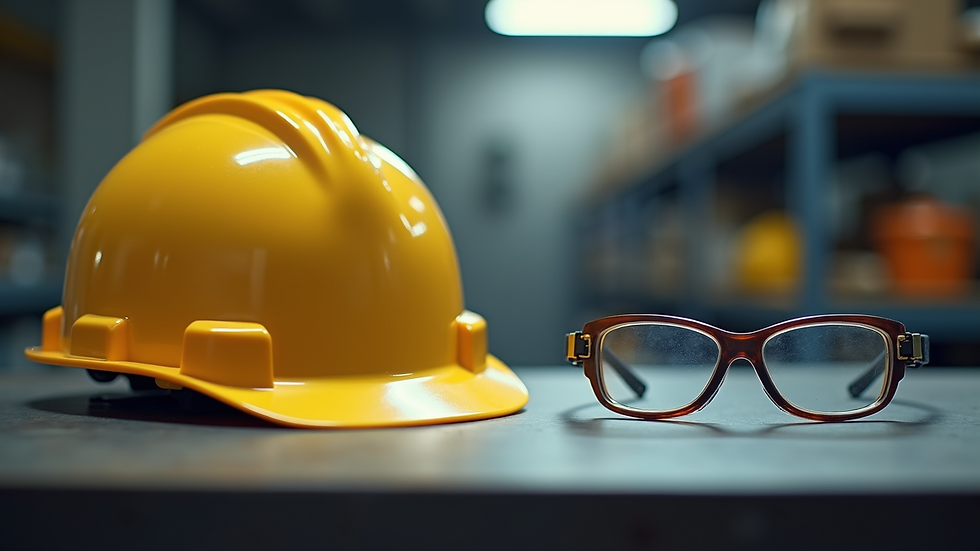
Workplace safety gear is designed to protect employees from various hazards such as chemical exposure, falling objects, electrical risks, and more. Using the correct gear not only prevents accidents but also promotes a culture of safety within the organization. For example, wearing a hard hat in construction zones can prevent head injuries from falling debris, while safety goggles protect eyes from harmful particles in manufacturing settings.
Investing in high-quality safety gear can also improve employee confidence and productivity. When workers feel safe, they are more likely to focus on their tasks and perform efficiently. Additionally, compliance with safety regulations often requires the use of specific protective equipment, helping companies avoid legal penalties and costly downtime.
Key Factors to Consider When Selecting Workplace Safety Gear
Choosing the right safety gear involves more than just picking the most expensive or popular items. Here are some critical factors to keep in mind:
1. Hazard Assessment
Before purchasing any equipment, conduct a thorough hazard assessment of the workplace. Identify potential risks such as chemical splashes, sharp objects, noise levels, or extreme temperatures. This assessment will help determine the type of protection needed, whether it’s gloves, helmets, earplugs, or specialized clothing.
2. Comfort and Fit
Safety gear should fit well and be comfortable to wear for extended periods. Ill-fitting equipment can cause discomfort, reduce mobility, and even lead to accidents. For example, gloves that are too tight may restrict hand movement, while loose helmets might fall off during work. Look for adjustable features and different sizes to accommodate all employees.
3. Durability and Quality
Invest in gear made from durable materials that can withstand the specific conditions of your workplace. High-quality equipment lasts longer and provides better protection. Check for certifications and standards compliance, such as ANSI or OSHA approvals, to ensure reliability.
4. Ease of Maintenance
Safety gear should be easy to clean and maintain. Some items, like respirators or reusable gloves, require regular cleaning to remain effective. Choose equipment that can be easily sanitized or replaced when necessary to maintain hygiene and safety standards.
5. Compatibility with Other Gear
In many workplaces, employees need to wear multiple pieces of safety equipment simultaneously. Ensure that the gear you select is compatible and does not interfere with other protective items. For instance, safety glasses should fit comfortably under a face shield without causing pressure points.
What is the personal protective equipment?
Personal protective equipment (PPE) refers to specialized clothing or gear designed to protect workers from injury or illness resulting from contact with workplace hazards. This includes items such as helmets, gloves, eye protection, high-visibility clothing, safety footwear, and respiratory devices. PPE acts as the last line of defense when engineering and administrative controls cannot eliminate hazards.
For example, in a chemical plant, workers might wear chemical-resistant gloves and face shields to prevent skin and eye contact with hazardous substances. In construction, steel-toed boots and hard hats protect against falling objects and sharp debris. The selection of PPE depends on the nature of the job and the specific risks involved.
To explore a wide range of reliable and certified personal protective equipment, visit Innosafe International.

Practical Tips for Implementing Workplace Safety Gear
Once you have selected the appropriate safety gear, proper implementation is crucial to ensure effectiveness. Here are some actionable recommendations:
Training and Education: Provide comprehensive training on how to use, wear, and maintain safety gear correctly. Employees should understand the importance of each item and the risks of non-compliance.
Regular Inspections: Conduct routine checks to ensure all equipment is in good condition. Replace damaged or worn-out gear promptly to maintain protection levels.
Encourage Feedback: Create an open environment where workers can report issues with safety gear, such as discomfort or malfunction. This feedback helps improve gear selection and workplace safety policies.
Customize Gear for Specific Tasks: Different jobs may require specialized equipment. Tailor the safety gear to match the unique demands of each role to maximize protection.
Promote a Safety Culture: Lead by example and encourage all employees to prioritize safety. Recognize and reward adherence to safety protocols to reinforce positive behavior.
Future Trends in Workplace Safety Gear
Advancements in technology are transforming workplace safety gear, making it more effective and user-friendly. Some emerging trends include:
Smart PPE: Integration of sensors and wearable technology to monitor worker health and environmental conditions in real-time. For example, smart helmets can detect impacts and alert supervisors immediately.
Lightweight Materials: Development of stronger yet lighter materials enhances comfort without compromising protection, encouraging consistent use.
Sustainable Options: Eco-friendly safety gear made from recycled or biodegradable materials is gaining popularity, aligning with corporate sustainability goals.
Customization and Ergonomics: Increased focus on designing gear that fits diverse body types and reduces fatigue, improving overall safety and productivity.

By staying informed about these innovations, organizations can continuously improve their safety programs and provide the best protection for their workforce.
Enhancing Workplace Safety Through Informed Choices
Selecting the best workplace safety gear is a critical step in protecting employees and maintaining a safe work environment. By understanding the hazards, prioritizing comfort and quality, and implementing proper training and maintenance, companies can significantly reduce the risk of accidents and injuries.
Remember, investing in the right safety equipment is not just about compliance - it’s about valuing your workforce and fostering a culture where safety is a shared responsibility. Explore trusted sources and suppliers to find the gear that best fits your workplace needs and ensures everyone goes home safe at the end of the day.


Comments