
Industrial Safety Equipment for a Secure Manufacturing Environment

Ensuring safety in manufacturing environments is a critical priority for every facility. The risks associated with machinery, chemicals, and physical labor require comprehensive protective measures. One of the most effective ways to mitigate these risks is through the use of proper manufacturing safety gear. This gear not only protects workers but also enhances productivity by reducing accidents and downtime.
Manufacturing safety gear encompasses a wide range of equipment designed to protect different parts of the body and prevent injuries. From helmets and gloves to respiratory masks and protective clothing, each piece plays a vital role in creating a secure workplace. This article explores the key types of safety gear, their importance, and practical tips for selecting and maintaining them.
Understanding the Importance of Manufacturing Safety Gear
Manufacturing environments are often filled with hazards such as sharp tools, heavy machinery, toxic substances, and extreme temperatures. Without adequate protection, workers are vulnerable to injuries that can range from minor cuts to life-threatening accidents. Manufacturing safety gear acts as a barrier between the worker and these hazards.
Key reasons why manufacturing safety gear is essential:
Prevents injuries: Helmets protect against head injuries, gloves shield hands from cuts and burns, and safety glasses guard eyes from flying debris.
Complies with regulations: Many countries have strict occupational safety laws requiring the use of specific safety equipment.
Boosts worker confidence: When employees feel safe, they are more focused and efficient.
Reduces costs: Fewer accidents mean lower medical expenses and less downtime.
For example, in a metal fabrication plant, workers handling molten metal must wear heat-resistant gloves and face shields to prevent burns and eye damage. Similarly, in chemical manufacturing, respiratory masks and chemical-resistant suits are indispensable.
Types of Manufacturing Safety Gear and Their Uses
Manufacturing safety gear can be categorized based on the type of protection they offer. Here are some of the most common types:
1. Head Protection
Hard hats or helmets protect workers from falling objects and head bumps. They are often made from durable materials like high-density polyethylene and come with adjustable straps for a secure fit.
2. Eye and Face Protection
Safety goggles and face shields protect against dust, chemical splashes, and flying particles. Anti-fog and scratch-resistant coatings improve visibility and durability.
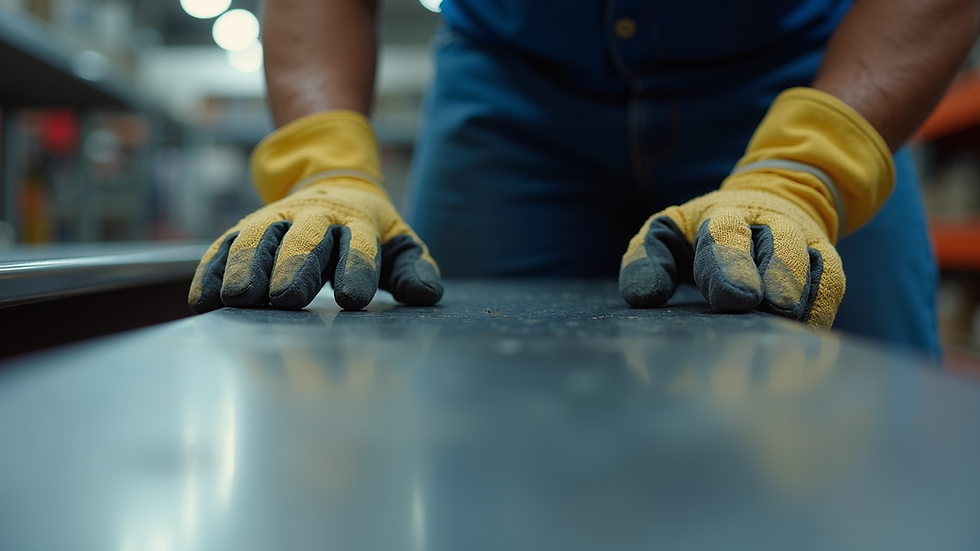
3. Hand Protection
Gloves are designed for various tasks, including chemical handling, electrical work, and heavy lifting. Materials range from latex and nitrile to leather and Kevlar.
4. Respiratory Protection
Respirators and masks filter harmful dust, fumes, and gases. They are essential in environments with poor ventilation or exposure to toxic substances.
5. Hearing Protection
Earplugs and earmuffs reduce noise exposure, preventing hearing loss in loud manufacturing settings.
6. Foot Protection
Steel-toed boots and anti-slip shoes protect feet from heavy objects and slippery surfaces.
7. Body Protection
Coveralls, aprons, and high-visibility vests shield the body from chemicals, heat, and mechanical hazards.
When selecting gear, consider the specific risks of the manufacturing process and ensure compliance with safety standards such as ANSI, OSHA, or EN.

How to Choose the Right Manufacturing Safety Gear
Choosing the right safety gear involves assessing the workplace hazards and matching the equipment to those risks. Here are practical steps to guide the selection process:
Conduct a hazard assessment: Identify all potential dangers in the manufacturing area.
Consult safety standards: Refer to local and international safety regulations.
Involve workers: Get feedback from employees about comfort and usability.
Prioritize quality: Invest in durable and certified equipment.
Consider ergonomics: Ensure gear fits well and does not restrict movement.
Plan for maintenance: Choose gear that is easy to clean and maintain.
For example, in a woodworking shop, dust masks with high filtration efficiency are crucial, while in an electronics assembly line, anti-static gloves prevent damage to sensitive components.
Maintenance and Training for Effective Use of Manufacturing Safety Gear
Proper maintenance and training are as important as selecting the right gear. Safety equipment that is damaged or used incorrectly can fail to protect workers.
Maintenance tips:
Regularly inspect gear for wear and tear.
Clean equipment according to manufacturer instructions.
Replace damaged or expired items promptly.
Store gear in a clean, dry place.
Training recommendations:
Educate workers on the correct use of each type of gear.
Conduct regular safety drills and refresher courses.
Encourage reporting of faulty equipment.
Promote a safety culture where gear use is mandatory.
By combining quality gear with proper care and training, manufacturing facilities can significantly reduce workplace accidents.

Enhancing Workplace Safety with Industrial Safety Equipment
Integrating industrial safety equipment into manufacturing processes is a strategic approach to safeguarding employees. This equipment includes not only personal protective gear but also safety devices like machine guards, emergency stop buttons, and ventilation systems.
Employers should adopt a holistic safety program that combines equipment, training, and regular audits. This approach ensures that safety measures evolve with changing manufacturing technologies and processes.
Actionable recommendations:
Conduct periodic risk assessments.
Update safety gear as new hazards emerge.
Foster open communication about safety concerns.
Recognize and reward safe behavior.
By prioritizing safety, manufacturers protect their workforce and enhance operational efficiency.
Building a Culture of Safety in Manufacturing
Creating a secure manufacturing environment goes beyond providing gear. It requires cultivating a culture where safety is a shared responsibility. Leadership commitment, employee involvement, and continuous improvement are key elements.
Strategies to build a safety culture:
Lead by example: Management should consistently follow safety protocols.
Encourage reporting: Make it easy for workers to report hazards without fear.
Provide incentives: Reward teams for maintaining accident-free records.
Use technology: Implement safety monitoring systems and data analytics.
A strong safety culture not only reduces accidents but also improves morale and retention.
Investing in the right manufacturing safety gear and fostering a culture of safety are essential steps toward a secure manufacturing environment. By understanding the types of protective equipment, selecting appropriate gear, maintaining it properly, and training workers effectively, manufacturers can minimize risks and create a workplace where safety is a priority every day.


Comments